Designing Ergonomic Workspaces: How Progressive Desk Brings Flexibility and Style to Modern Interiors
Creating a workspace that works for you is paramount especially if you want to stay productive and active the whole day. From remote professionals to designers and creatives, the demand for ergonomic setups that look good and feel right is growing fast. People want furniture that supports their health, their work habits, and their personal taste — all at once.
Standing desks have been created exactly for this purpose. These height-adjustable constructions have become a standard choice for anyone serious about improving the way they work and find actually this furniture as a trendy solution. They help reduce back strain, keep you moving throughout the day, and, when chosen carefully, can blend seamlessly into any room or studio.
This article takes a closer look at how standing desks from Progressive Desk are helping shape flexible, functional, and stylish work environments. It also explores complete workspace solutions for professional and creative studios, all designed with ergonomics and design harmony in mind. For those interested in practical setup ideas, ready-to-use inspiration can be found here: https://www.progressivedesk.ca/pages/design-studio-solutions.
Why Ergonomics Matter in Design
You’ve likely heard the term “ergonomic” a hundred times, but what does it actually mean for your workspace? Simply put, ergonomic design adapts to the user, not the other way around. It means your desk adjusts to your height, your chair supports your back, and your tools are where your hands naturally want them to be.
An ergonomic setup helps reduce fatigue, boosts focus, and supports long-term health. People working long hours, especially from home or in studios, can feel the difference almost immediately. But functionality isn’t the only thing people care about today. Modern interiors demand more: clean lines, natural materials, and customizable finishes that fit into any kind of décor.
Standing Desks That Adapt to Your Style
A great standing desk does more than go up and down. It fits your routine. You can start your day standing, lower the desk for meetings or creative work, and adjust again when energy levels shift. This flexibility isn’t just useful, it’s a lifestyle change.
The full collection of adjustable desks can be explored at https://www.progressivedesk.ca/collections/standing-desk, where users can find options for home offices, collaborative spaces, and design-forward studios. These desks don’t look bulky or mechanical. Instead, they’re built with clean aesthetics in mind: walnut and oak finishes, minimalist frames, and simple controls that keep things effortless.
One of the key advantages is variety. Whether you’re looking for a compact desk to fit into a small apartment or a spacious one for a multi-screen setup, there are plenty of configurations that work with the space you already have.
Ready-Made Solutions for Creative Studios
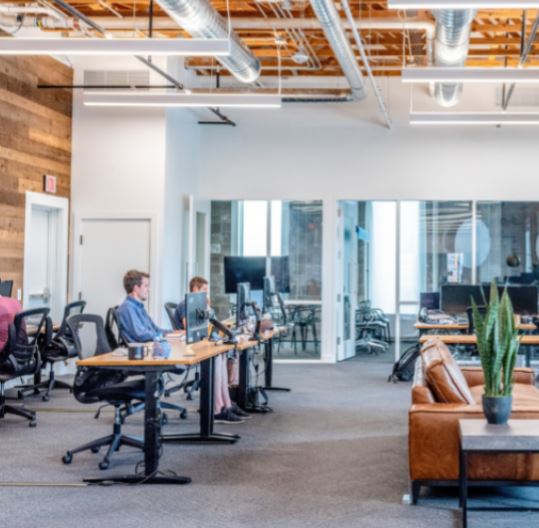
It’s not only individuals who benefit from ergonomic workspaces. Design and production studios are also rethinking how they set up their environments. When multiple people use the same space, it makes sense to offer adjustable stations that suit everyone’s needs.
Progressive Desk has developed practical solutions for shared environments, especially in studios where functionality and visual balance go hand in hand. With thoughtful layouts and accessory pairings, these setups don’t require a full renovation, just the right combination of pieces that complement each other.
In creative fields, form and function always compete for attention. Fortunately, the setups here respect both. A sleek lift frame paired with a dark wood tabletop might sit next to a light-toned station with built-in storage — all within the same open-plan studio, creating a balanced and adaptable work environment.
Seamless Integration into Modern Interiors
One of the biggest concerns people have about switching to an adjustable desk is whether it’ll ruin the look of the room. But with the right choices, standing desks can feel like part of the furniture from day one.
The growing popularity of Scandinavian-inspired interiors and minimalist setups has opened the door for height-adjustable desks that don’t scream “office equipment.” Soft, rounded edges, neutral tones, and high-quality tabletop finishes make them a natural fit for home offices, co-working spaces, and even bedrooms.
Cable management is another small but crucial detail. With the right desk accessories, tangled wires and bulky power strips disappear from sight. Built-in outlets, discreet hooks, and under-desk trays help keep everything tidy, which adds to the clean, elevated look of the room.
Everyone works differently. Some people like to move around throughout the day, while others prefer to stay put once they find a good rhythm. The beauty of height-adjustable desks is that they support both types of habits.
Feeling stiff after lunch? Raise your desk and stretch your legs while answering emails. Focused on deep work? Lower the desk, sit back in an ergonomic chair, and settle in. The key here is having the choice.
And it’s not just the desk that makes a difference. Matching accessories like monitor arms, footrests, under-desk bikes, or keyboard trays can fine-tune the setup even further. When everything works together, the workspace starts to feel less like a workstation and more like a tool that’s built around you.
The Long-Term Impact of Smart Workspace Design
We tend to think of ergonomic furniture as a health investment—and it is—but it’s also a design upgrade. A well-designed workspace becomes a source of calm, productivity, and confidence. It sets the tone for the day. When your surroundings feel intentional and supportive, it’s easier to stay focused and do good work.
This is especially true in professions that blend creativity with technology. Graphic designers, content creators, architects, and video editors all benefit from setups that support long sessions without strain. And with more people working in hybrid or fully remote roles, it’s no surprise that the demand for home-office-friendly standing desks keeps rising.
A thoughtfully designed workspace does more than help you get through the day, it supports the way you live and work. When your desk setup feels good, everything runs smoother. You move with ease, your posture improves, and there’s less clutter to distract you. That kind of environment doesn’t just boost your productivity, it helps you feel more focused, more relaxed, and more in control.
A standing desk that adjusts to your routine can be a game-changer. It gives you options. You can shift positions, change your pace, and create a space that actually feels like yours. For individuals working from home or studios building efficient, beautiful interiors for a team, this kind of flexibility can make a real difference.